July 19, 2026
Sunken concrete can be more than just an eyesore. Uneven sidewalks, driveways, patios, and other concrete surfaces can create safety concerns, interfere with drainage, and diminish the overall appearance of a property. When concrete begins to settle, many property owners assume replacement is the only solution. In reality, professional lifting methods can often restore the surface without the expense and disruption associated with removing and replacing concrete.
Two of the most widely used lifting techniques are concrete mudjacking and polyurethane foam lifting. Both methods are designed to raise and stabilize settled concrete, helping property owners preserve existing slabs while improving safety and functionality. Although the goal is similar, the materials, installation processes, and performance characteristics of these solutions differ in several important ways.
Understanding the advantages and limitations of each option can help property owners choose the repair method that best fits their needs. By examining how these approaches work and where they excel, it becomes easier to determine which solution may provide the most effective and lasting results.
Understand How Each Method Works
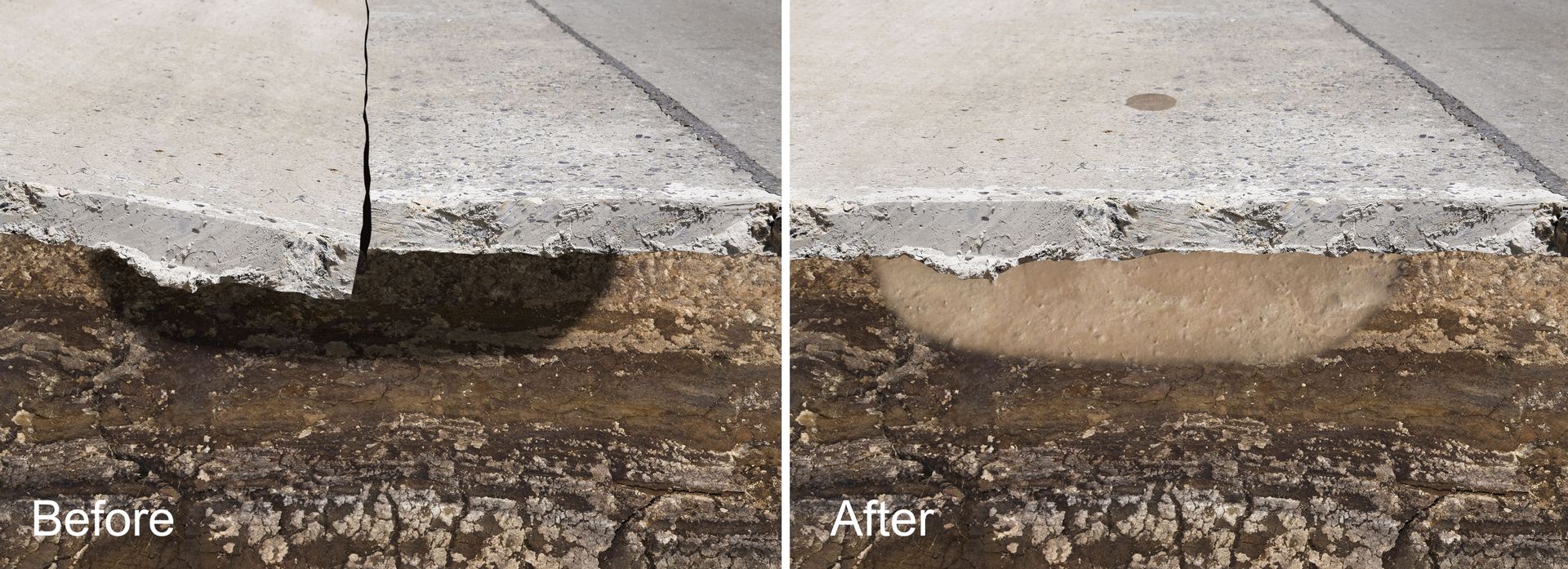
Concrete mudjacking is a process that involves pumping a specialized slurry beneath a settled concrete slab. The material fills empty spaces below the concrete and gradually raises the slab back toward its original position. Technicians carefully control the pumping process to achieve the desired elevation while maintaining stability.
The slurry used in this process is designed to create a supportive base beneath the concrete. As voids are filled, the slab receives the support necessary to remain level and functional. Once lifting is complete, the access holes are patched, and the surface is restored.
Polyurethane foam lifting follows a different approach. Instead of a slurry, technicians inject an expanding foam beneath the slab. As the foam expands, it fills voids and gently lifts the concrete. The material eventually hardens beneath the slab, creating support that helps maintain the repaired surface.
Compare Material Characteristics
The materials used during the lifting process play a significant role in determining how each method performs.
Concrete mudjacking relies on a dense slurry mixture. Because the material has substantial weight and volume, it is capable of filling larger voids and providing significant support beneath settled slabs. The density of the slurry allows it to create a solid foundation that helps distribute loads effectively.
This traditional approach has been used for many years and remains a common solution for a variety of residential and commercial projects. The material’s composition makes it particularly useful when larger areas of settlement need to be addressed.
Polyurethane foam differs significantly in its physical properties. The material is lightweight and expands after injection. This expansion allows it to flow into smaller gaps and spaces beneath the slab. Because the foam weighs considerably less than a traditional slurry, it adds minimal additional load to the underlying soil.
The choice between these materials often depends on site conditions, soil stability, and the nature of the settlement. A professional evaluation can help determine which material is most suitable for a specific project.
Evaluate Performance and Durability
Property owners naturally want repairs that will continue performing well for years to come. Durability is therefore one of the most important factors when comparing lifting methods.
Concrete mudjacking has a long history of successful use in concrete restoration projects. When the underlying causes of settlement are properly identified and addressed, the method can provide reliable stabilization and support. The dense slurry helps create a stable base beneath the slab, allowing the concrete to function properly once lifted.
Many professionals continue to recommend this method for applications where significant support is required beneath the concrete surface. The ability to fill large voids effectively contributes to its reputation as a dependable repair option.
Polyurethane foam lifting also offers strong performance characteristics. The hardened foam resists moisture absorption and maintains structural integrity beneath the slab. Its expanding nature enables it to reach areas that may be difficult to fill using other materials.
Ultimately, neither method should be viewed as a universal solution for every situation. Long-term success depends on factors such as drainage conditions, soil movement, erosion, and environmental influences. Professional assessments help identify these issues and ensure that repairs address the underlying causes of settlement rather than simply correcting visible symptoms.
Consider Installation and Project Timelines
With concrete mudjacking, technicians drill strategically placed holes into the slab and inject the slurry beneath the concrete. The material gradually fills voids and raises the slab until it reaches the appropriate level. After the lifting process is complete, the access holes are patched to restore the appearance of the surface.
The slurry requires time to stabilize beneath the slab before the repaired area can handle normal traffic and use. The exact timeframe varies depending on project conditions and environmental factors.
Polyurethane foam lifting typically involves smaller injection points. Because the foam expands and hardens relatively quickly, surfaces may often return to service sooner once repairs are completed. This characteristic can be appealing in areas where minimizing downtime is important.
Project duration depends on numerous variables, including accessibility, weather conditions, the size of the repair area, and the extent of settlement. A thorough inspection helps establish realistic expectations regarding scheduling and completion timelines.
Assess Cost Considerations
Cost is often a major factor when selecting a concrete repair method. While budget should not be the sole consideration, understanding the financial aspects of each option can help property owners make informed decisions.
Concrete mudjacking is frequently regarded as a cost-effective solution for lifting settled concrete. The materials used in the process are generally economical, making the method attractive for many residential and commercial applications. Property owners often appreciate the ability to restore existing concrete rather than investing in complete replacement.
Polyurethane foam lifting may involve higher material costs because of the specialized nature of the foam product. However, some property owners view the added expense as worthwhile due to characteristics such as lightweight performance, smaller injection points, and faster curing.
According to Expert Market Research, the United States concrete restoration market reached approximately $4.25 billion in value during the referenced year, demonstrating the strong demand for repair methods that extend the lifespan of existing concrete surfaces.
When evaluating costs, it is important to consider more than the initial price. Factors such as project requirements, expected performance, maintenance considerations, and site conditions should all contribute to the decision-making process.
Determine Which Option Fits Your Property
Concrete mudjacking is often an excellent choice for projects involving substantial settlement or larger voids beneath the slab. Its dense material provides significant support and has a long-established record of successful performance. Property owners seeking a proven and economical solution frequently find this approach appealing.
Polyurethane foam lifting may be preferred in situations where minimizing additional weight beneath the slab is important. The material’s expansion characteristics allow it to fill smaller spaces efficiently while providing support beneath the concrete. Faster curing can also make the method attractive when reducing downtime is a priority.
No single solution is ideal for every situation. Soil composition, drainage patterns, moisture levels, slab condition, and the extent of settlement all influence which repair method is most appropriate. Professional inspections help identify these factors and ensure that property owners receive recommendations tailored to their specific needs.
Consulting with experienced professionals is often the most effective way to determine whether concrete mudjacking or polyurethane foam lifting will provide the desired outcome. Expert evaluations help ensure that repairs address both current concerns and potential future issues.
Uneven concrete surfaces can affect safety, appearance, accessibility, and property value. Fortunately, modern lifting techniques provide effective alternatives to costly concrete replacement. Both concrete mudjacking and polyurethane foam lifting can successfully restore settled slabs, but each method offers distinct advantages depending on site conditions and project objectives.
By understanding the differences in materials, installation processes, durability, timelines, and cost considerations, property owners can make informed decisions that support long-term performance. The most suitable solution will ultimately depend on the property's specific characteristics and the underlying causes of settlement.
If you are dealing with uneven concrete and want guidance on the right repair approach, contact APlus Mudjacking today. Together, we can evaluate your property, discuss your options, and help restore your concrete surfaces with a solution that provides lasting stability and peace of mind.