August 19, 2026
Sunken concrete slabs present widespread safety hazards, pooling water risks, and severe aesthetic problems for residential and commercial properties. Property owners facing sunken walkways, uneven patios, or sagging driveways frequently ask how long hydraulic slab lifting solutions will remain effective against future settling. Seeking advice from a skilled mudjacking contractor helps clarify expectations, process mechanics, and realistic repair lifespans for structural concrete surfaces. Understanding underlying soil conditions, proper drainage techniques, and ongoing preventative maintenance empowers owners to make informed decisions. This comprehensive guide explores expert insights into lifting longevity, helping property owners protect their ongoing structural investments effectively for many years.
Understanding the Mechanics Behind Slab Lifting
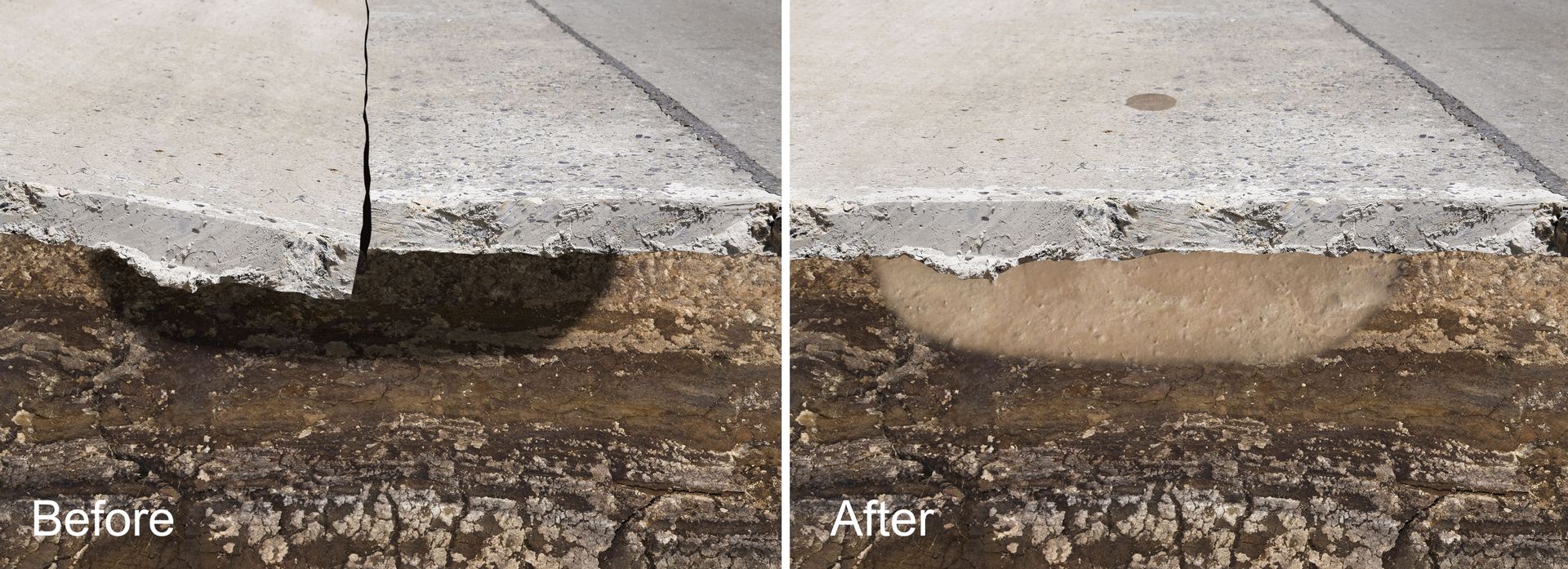
Slab lifting works by injecting a dense slurry mixture of natural soil, sand, and cement underneath settled concrete panels. This specialized hydraulic grout fills underlying air voids, compacts loose soil, and lifts heavy slabs back toward original surface levels. A mudjacking contractor uses small drill holes to precisely distribute this stabilizing compound throughout affected areas without destroying surrounding landscaping. Because the injected slurry dries into a durable, cement-based foundation, it provides solid structural support beneath compromised pavement. Understanding these core mechanical principles helps property owners appreciate how hydraulic lifting stabilizes sunken ground effectively without necessitating total replacement.
Examining Soil Conditions Beneath the Surface
Subsurface soil composition plays a major role in determining how long hydraulic concrete lifting repairs will ultimately endure. Clay soils expand and contract dramatically during wet and dry seasons, causing shifting movements beneath heavy surface structures over time. Sandy or loosely packed soils can wash away when exposed to heavy rain or underground water movement, creating hollow spaces. A seasoned mudjacking contractor evaluates local soil characteristics before beginning work to ensure optimal injection placement and maximum stability. Identifying underlying ground conditions allows technicians to address potential erosion risks, ensuring that lifted slabs remain properly supported across changing seasonal weather patterns.
Controlling Water Runoff to Prevent Soil Erosion
Poor water drainage is the single most common cause of concrete settling and subsequent structural slab failure on properties. Downspouts discharging water directly onto slab edges rapidly wash away supporting soil, causing heavy concrete sections to sink again. An experienced mudjacking contractor always emphasizes redirecting downspouts, installing gutter extensions, and sealing open surface joints after completing repairs. Preventing excess water infiltration under lifted slabs preserves the newly injected slurry base and prevents future washout issues. Taking proactive steps to manage water flow around pavement ensures long-term lift stability while protecting surrounding soil foundations from recurring erosion damage.
Evaluating Material Quality for Long Lifespans
The specific composition of injected slurry mixtures directly influences the durability and overall performance of hydraulic leveling repairs. Mixing high-grade Portland cement with clean, granular sand creates a strong, water-resistant base capable of supporting heavy vehicular loads. A professional mudjacking contractor selects precise material ratios based on slab weight, load requirements, and specific site conditions. According to Gitnux, the typical lifespan of reinforced concrete structures, such as bridges, exceeds 75 to 100 years with proper maintenance. Using superior slurry formulations on quality concrete ensures the restored surface remains stable, durable, and functional for decades following initial completion.
Assessing Climate Impact Across Changing Seasons
Extreme climate variations subject outdoor concrete surfaces to continuous expansion, contraction, and freeze-thaw cycles throughout the year. Winter moisture trapped beneath unsealed slabs freezes, expands, and disrupts underlying soil structure, causing unwanted movement over time. A knowledgeable mudjacking contractor understands how regional weather patterns affect subterranean stability and tailors application methods accordingly. Applying weather-resistant sealants along expansion joints prevents meltwater from seeping beneath lifted surfaces during cold seasons. By mitigating severe weather risks through proper sealing, property owners can significantly extend the overall lifespan of their hydraulic leveling repairs through harsh winters.
Sealing Open Joints to Block Moisture Entry
Leaving expansion joints and surface cracks unsealed invites rainwater directly underneath lifted concrete slabs, endangering subgrade integrity. Excess moisture degrades supporting slurry layers, encourages weed growth, and accelerates unwanted ground settling over extended periods. A reliable mudjacking contractor recommends applying high-grade polyurethane caulk to every visible joint immediately following the slab lifting process. Sealant barriers block water intrusion, keeping the underlying soil dry and maintaining firm compaction underneath the pavement. Prioritizing joint maintenance creates a protective shield that preserves hydraulic leveling results, preventing avoidable water damage and ensuring smooth, even surfaces indefinitely.
Monitoring Weight Load Restrictions on Lifted Concrete
Subjecting lifted concrete slabs to excessive weight loads beyond design capacities can compromise underlying support structures over time. Parking heavy commercial vehicles, RVs, or construction equipment on residential driveways places intense pressure on subterranean slurry bases. A certified mudjacking contractor advises clients on weight limits to ensure newly leveled surfaces endure without unexpected settlement or cracking. Distributing heavy loads evenly across stable panels prevents concentrated stress points from displacing underlying soil layers. Respecting weight guidelines protects the structural integrity of lifted slabs, ensuring that hydraulic leveling repairs remain fully intact for many years.
Choosing Professional Expertise Over DIY Solutions
Attempting to fix sunken concrete without specialized knowledge often leads to improper lifting, cracked slabs, and short-lived results. DIY foam kits or improper mud mixes frequently fail to address deep subgrade voids, resulting in rapid re-settling. Hiring a qualified mudjacking contractor ensures precise void filling, correct hydraulic pressure application, and proper site assessment before work begins. Skilled professionals possess specialized pumping equipment required to deliver uniform slurry distribution beneath heavy slabs safely. Investing in expert installation minimizes structural risks, ensures high-quality material usage, and delivers durable concrete leveling outcomes that stand up against rigorous daily use.
Maintaining Exterior Surfaces for Maximum Endurance
Routine maintenance remains essential for maximizing the operational lifespan of both original concrete slabs and underlying lifting materials. Cleaning surfaces, removing invasive vegetation, and inspecting joint seals every spring prevents small flaws from becoming major structural issues. A dedicated mudjacking contractor provides valuable post-repair care instructions to help property owners maintain optimal ground stability effortlessly over time. Promptly repairing fresh surface cracks prevents water infiltration, preserving subbase compaction and avoiding future soil erosion. Simple, consistent surface upkeep prolongs repair lifespan, keeping outdoor walkways, patios, and driveways safe, attractive, and level for extended operational periods.
Comparing Long-Term Value Against Total Replacement
Replacing sunken concrete involves expensive tear-out costs, heavy machinery, long curing delays, and potential landscaping damage across the yard. In contrast, slab lifting offers a cost-effective, rapid alternative that restores usability within hours rather than waiting several days. A transparent mudjacking contractor helps property owners evaluate repair costs versus replacement expenses, demonstrating clear financial savings without sacrificing structural longevity. When supported by proper drainage and joint sealing, hydraulic repairs last ten to fifteen years or more. Choosing to level slabs delivers exceptional long-term financial value, restoring structural functionality quickly while preserving existing concrete assets efficiently.
Hydraulic concrete leveling provides an efficient, durable, and economical solution for restoring sunken driveways, sidewalks, and patios to original elevations. By addressing underlying soil erosion, managing water runoff, sealing expansion joints, and avoiding excessive weight loads, property owners can maximize repair longevity effectively. Working alongside an expert mudjacking contractor ensures precise slurry application, high-quality material usage, and proper site preparation tailored to unique soil conditions. With simple routine maintenance and proactive moisture management, slab lifting delivers smooth, safe, and stable surfaces that endure for decades, offering exceptional structural performance and outstanding financial value for residential and commercial properties alike. If you need expert-level mudjacking services in the Greater Kansas City Metro area, contact the professionals at APlus Mudjacking today to request an estimate or schedule an appointment.